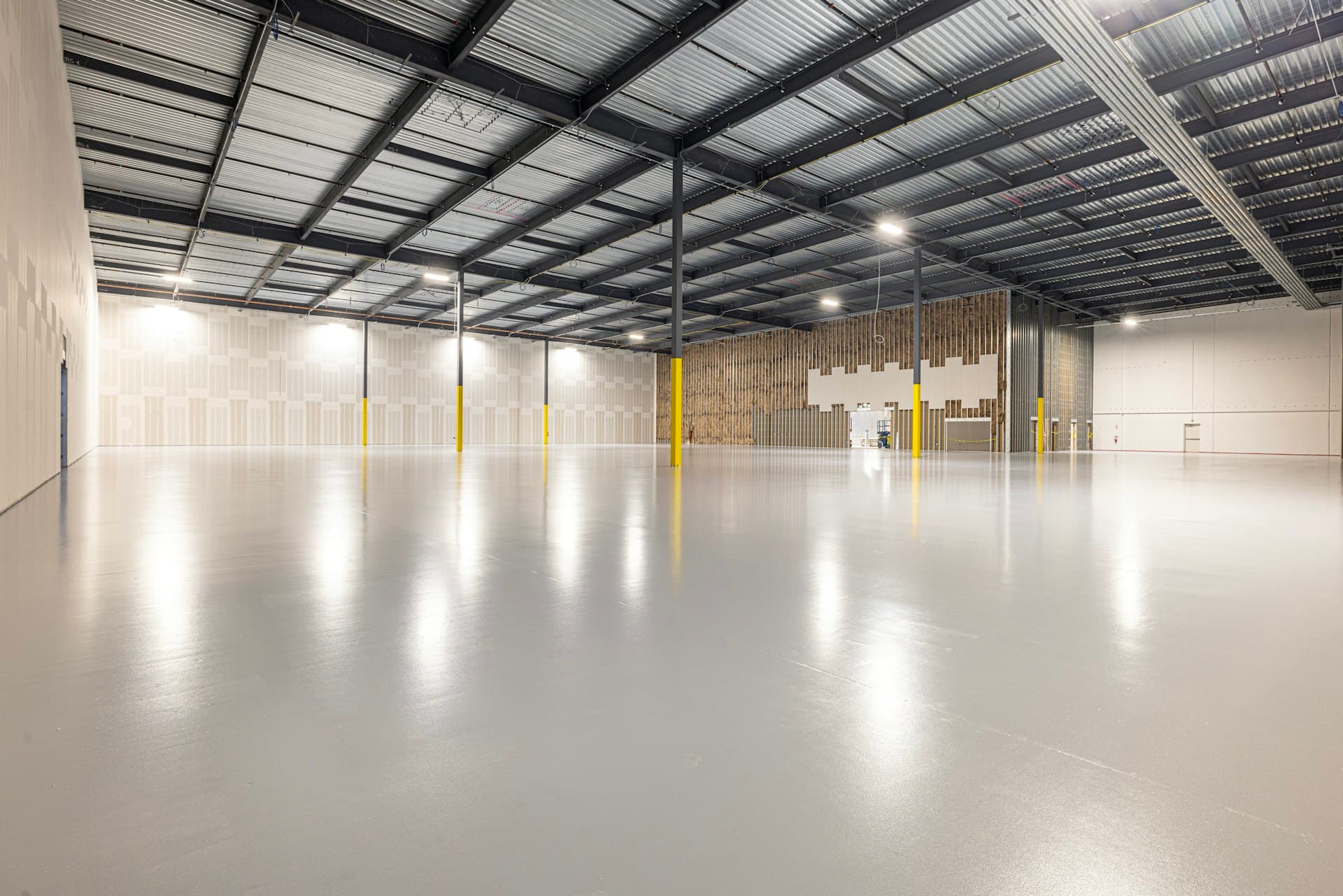
Commercial division

From one house to the whole portfolio.

The Ledger keeps a durable, transferable record for every property and every asset you hold — one that survives management changes, staff turnover, and the closing table.

PORTFOLIO

Every property generates a record. Almost none of it survives.

Records scatter

Invoices sit in one inbox, warranties in a drawer, permits with the general contractor, inspection reports with whoever ordered them. No single property has a complete file.

People turn over

Property managers change. Maintenance staff leave. The contractor moves on after closeout. Every handoff restarts institutional memory at zero.

Value is unprovable when it counts

At refi, sale, claim, or handover you are asked to substantiate what you spent and what you replaced. Recollection is not documentation.

THE NAME

A ledger is not a list.

A list tells you what you have. A ledger tells you what happened, in order, with the paper to back it. It is the book a business keeps when it needs to prove something rather than remember it — the document an auditor asks for, a lender underwrites against, and a buyer inherits at closing. That is the standard a property record has to meet, so that is the word we took.

  • Entries are added, never quietly rewritten

    A correction is a new line, not an edit to an old one. The history of an asset is part of what the asset is worth, and a record you can silently revise is a record nobody can rely on.

  • Every line is attributable

    A date, an amount, a vendor, and the document itself. An entry that cannot point at its source is an assertion, and assertions do not survive diligence.

  • The book changes hands intact

    Managers, staff, and owners turn over. A ledger is written to outlast all of them and to transfer in full — at refi, at sale, at handover.

SEGMENTS

Three ways a portfolio loses its history.

RES-PORT

Doors you can substantiate.

Rental portfolios

A unit turns and no one remembers when the water heater was replaced. At refi the lender asks for CapEx support and the file is a text thread with a plumber.

  • Per-door asset registry with install dates, serials, and remaining life
  • CapEx and OpEx separated at entry, exported for schedule E
  • Make-ready and turn history that carries to the next manager
  • Vendor history per property with current COIs attached
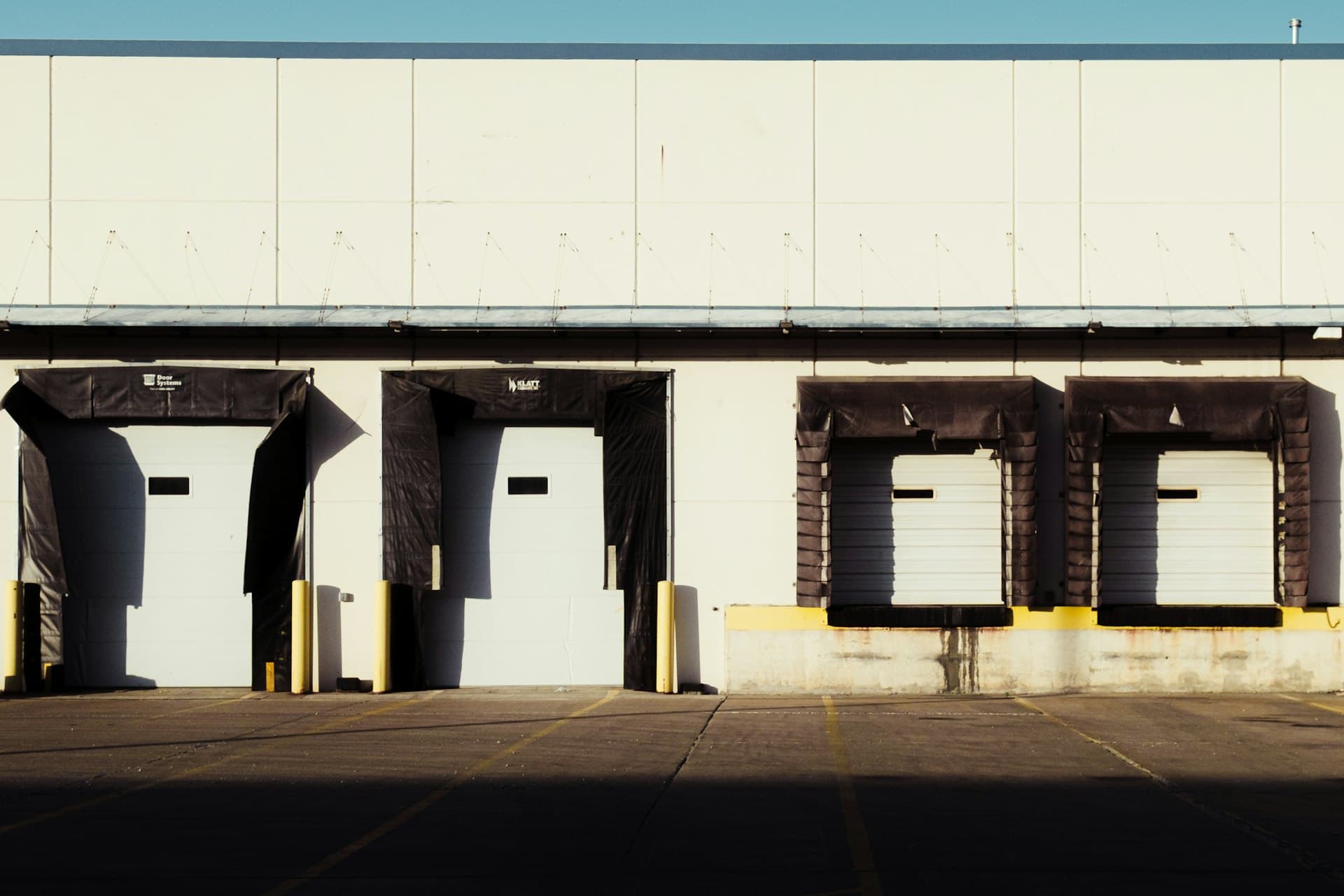
DEV-MF

Closeout that still holds up two years later.

Developers — townhome and multifamily

A defect claim arrives long after substantial completion. The punch list is closed, the subcontractor has moved on, and the O&M manuals went out as a PDF nobody indexed.

  • Warranty obligations tracked by unit and by trade
  • Punch list closeout with the document attached to the asset
  • O&M manuals and submittals handed over as a structured package
  • HOA turnover file generated from the record you already kept

IND-CRE

One asset register across every building.

Industrial and commercial

Roofs and rooftop units age on staggered schedules across a dozen sites. Capital planning runs on a spreadsheet nobody trusts and no one has reconciled against the compliance calendar.

  • Asset register with preventive maintenance intervals and remaining useful life
  • Compliance calendar for fire, elevator, backflow, and sprinkler
  • Vendor documentation with COI expiry tracked per site
  • Tenant improvement history retained through tenancy changes

RECORD

What lives in the record.

ASSET REGISTRY
Every major asset with make, model, serial, install date, and remaining useful life.
WARRANTY & O&M
Coverage terms and operating manuals attached to the asset they belong to.
PERMIT & COMPLIANCE
Permits, certificates, and inspection results filed against the property.
INSPECTION HISTORY
Every inspection retained in full, not reduced to a summary line.
VENDOR & CONTRACTOR
Who did the work, when, what it cost, and a current certificate of insurance on file.
SERVICE & REPAIR LOG
Each visit logged against the asset, so failure patterns are visible before the failure.
CAPITAL PLAN
Replacement timing and cost driven by real install dates rather than category averages.
TRANSACTION EXPORT
A complete, dated document package for refi, sale, claim, or handover.

ROLLOUT

How it starts.

  1. 01

    Intake

    Send what you already have — invoices, closeout binders, inspection PDFs, spreadsheets. We take it in whatever shape it is in.

  2. 02

    Digitization

    On-site walkthrough or remote capture. Assets are tagged, documents are indexed against them, and gaps are listed rather than guessed at.

  3. 03

    Ongoing capture

    New work enters the record as it happens, through your vendors or your own staff. The file stays current without a separate process to maintain.

PROOF

Dummy content. Real figures to be supplied.

PLACEHOLDER — metric one
000
PLACEHOLDER — metric two
000%
PLACEHOLDER — metric three
000

PLACEHOLDER — customer quote goes here. Do not publish until a real, attributable quote replaces this text.

PLACEHOLDER — name, role, company

ACCESS

Request access.

Tell us which side of the portfolio you are on and roughly how large it is. We will come back to you directly.